Buy Cessna 172 / 175 Horizontal Stabilizer for Sale with OEM Tip P/N 0532001-27
Buy Cessna 172 / 175 Horizontal Stabilizer for Sale with OEM Tip P/N 0532001-27
Blog Article
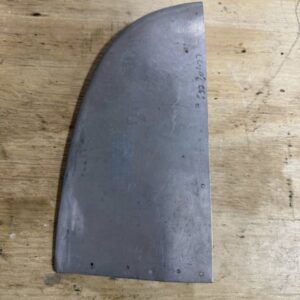
Choose a preserved Cessna 172 stabilizer tip when you need a preserved OEM airframe component for tail-section refurbishment. Buyers searching for a Cessna 175 stabilizer tip can consider P/N 0532001-27 after confirming exact model and serial applicability. Those comparing a New surplus Cessna part should verify dimensions, mounting-hole arrangement, material condition, and supporting parts-catalog information. You can Buy Cessna 175 aircraft parts after reviewing the exact aircraft configuration. Buyers looking for Cessna airframe parts for sale should also confirm surface integrity.
Cessna 172 Stabilizer Replacement Part
A Cessna 172 horizontal tail tip may be needed during restoration, repair, or preservation of a compatible aircraft.
Before purchase, confirm the aircraft model. Cessna 172 variants can differ across production years, so applicability should be determined from current parts information rather than appearance alone.
Cessna 175 Airframe Component
A Cessna 175 tail tip can be valuable when restoring or maintaining an older aircraft.
Hard-to-find components should be checked carefully against the aircraft serial number. Similar Cessna airframe parts are not always directly interchangeable.
Cessna Stabilizer End Piece
A aircraft stabilizer end component forms part of the outer structure of the horizontal stabilizer assembly.
Its fit can depend on aircraft configuration. Correct alignment is especially important during restoration or exterior repair.
Choosing a Cessna 172 Airframe Part
A Cessna 172 airframe part should be matched carefully before installation.
Review the aircraft model. Even original factory parts may require inspection after long-term storage.
Vintage Cessna 175 Part
A Cessna 175 exterior component can help preserve an older aircraft when the correct component is difficult to source.
Buyers should prioritize part-number verification. Documentation becomes particularly useful for older aircraft parts with limited current availability.
New Surplus Cessna Part
A new old stock Cessna component can offer originality for a restoration project.
New surplus describes inventory status rather than automatic installation readiness. Long-term storage can still affect coatings.
OEM Cessna Airframe Part
An genuine Cessna airframe item should still be verified by part number.
Confirm the parts-catalog reference. OEM status alone does not establish compatibility with every aircraft in the model family.
Choosing a Cessna Aircraft Replacement Part
A aircraft restoration component should match the original installation closely.
The existing aircraft may contain changed fasteners, so technicians should compare the replacement against both technical data and the actual aircraft.
Aircraft Stabilizer End Replacement
A horizontal stabilizer replacement tip should align with the original stabilizer contours and mounting points.
Before installation, compare the mounting-hole spacing. Minor differences can affect fit and finish.
Finding Vintage Cessna Aircraft Parts
legacy Cessna aircraft pieces can become difficult to locate as aircraft age.
Collectors, restorers, and maintenance facilities may value preserved inventory because it can support originality.
Obsolete Cessna Aircraft Parts
difficult-to-source Cessna parts require careful identification before purchase.
Request dimensions. Rare availability should not replace proper technical verification.
Buy Cessna 172 Stabilizer Tip
Before you order a Cessna tail component, request detailed identification.
- Compare the number with current parts information.
- Verify installation side or location.
- Check holes, edges, and contours.
Shopping for a Cessna Horizontal Stabilizer Tip
When you search for P/N 0532001-27, compare more than price.
A component with accurate dimensions may offer better value than a cheaper part with uncertain applicability.
Cessna Stabilizer Tip Online Buying Guide
Before you purchase a Cessna airframe component remotely, confirm the exact item shown is the item being sold.
Keep copies of the part photographs. Review return terms before payment, particularly for rare or surplus aircraft parts.
Purchase Cessna 175 Restoration Parts
When you shop vintage Cessna 175 parts, confirm model-specific applicability.
Use the aircraft serial get more info number to verify fit before ordering.
Cessna Tail Component for Sale
A Cessna stabilizer tip for sale should include accurate condition and identification information.
Important details include storage history. Photographs should show both exterior surfaces and attachment areas.
Cessna Aircraft Parts Marketplace
vintage Cessna restoration parts can support long-term aircraft preservation.
Buyers should distinguish between as removed inventory. Condition terminology should always be supported by actual inspection information.
Choosing Original Cessna Airframe Parts
When you shop original Cessna airframe parts, match the exact part number first.
Manufacturer origin can support restoration accuracy, but installation suitability still depends on aircraft-specific data.
New Surplus Cessna Parts for Sale
new old stock Cessna components may have spent many years in storage.
Inspect them for corrosion. New surplus does not necessarily mean recently manufactured.
Classic Cessna Restoration Parts
When you source vintage Cessna airframe pieces, documentation is especially useful.
Look for part-number markings. These details can improve identification and traceability.
Choosing an Aircraft Stabilizer Tip for Sale
An horizontal tail-tip component should be checked for geometry and attachment compatibility.
Confirm the hole spacing. Measurements are particularly useful when comparing older surplus inventory.
Horizontal Stabilizer Tip P/N 0532001-27
Part number verification is central when buying this component. Confirm that Cessna 0532001-27 matches the intended installation.
Cross-check the number against the existing component.
Airframe Component Applicability
Aircraft model alone may not be sufficient for fitment. Production changes can affect installation positions.
Verify the aircraft serial number against parts-catalog data.
Horizontal Stabilizer Mounting Holes
Physical dimensions provide an additional verification step. Compare the mounting-hole spacing with the existing component or applicable technical data.
Mounting holes should be inspected for cracks. A surplus part that has been altered may no longer represent its original configuration.
Stored Stabilizer Tip Condition
Long-term storage can affect an aircraft component even if it was never installed. Inspect for corrosion.
Pay special attention to corners. Any questionable condition should be evaluated before installation.
Vintage Aircraft Preservation
A preserved stabilizer tip can support maintenance replacement when confirmed compatible.
Restoration projects often benefit from parts that retain period-correct design.
Cessna Tail Component Inspection
Installation should follow approved aircraft data.
Before installation, qualified personnel may inspect the attachment structure. Required records and return-to-service actions should be completed by appropriately qualified aviation personnel where applicable.
Shipping and Storage
Airframe components should be protected from bending during transport.
Suitable packaging may include moisture-resistant covering. Store the component in a protective package.
Cessna 0532001-27 Purchase Summary
Shop a Cessna 172 / 175 horizontal stabilizer tip when the exact model, aircraft serial applicability, installation position, dimensions, mounting-hole arrangement, and material condition match your aircraft.
A carefully selected Cessna 175 stabilizer tip can support aircraft restoration, exterior repair, preservation, and maintenance projects. Complete the purchase after part-number verification, and use appropriately qualified aviation personnel for installation, structural inspection, required recordkeeping, and any applicable return-to-service procedures.
Report this page